

How Heroin Addiction Is Ruining Your Life—and How to Get Help
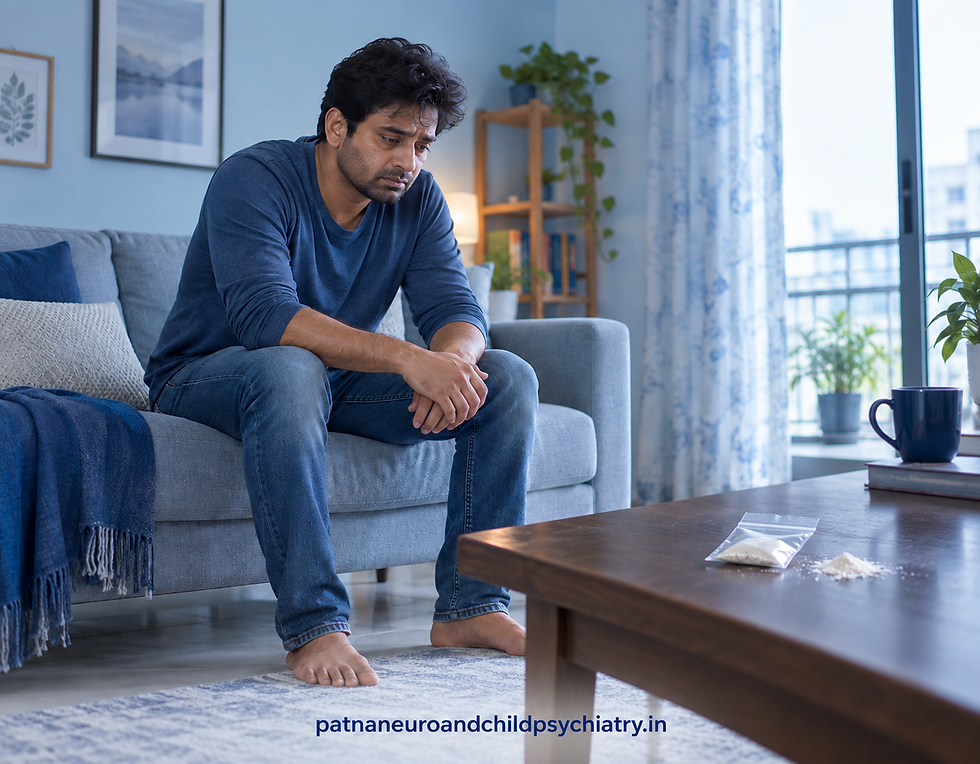
Heroin addiction can gradually affect your health, relationships, finances, and daily responsibilities.
What begins as drug use can become difficult to control, even when the consequences grow serious.
Cravings and withdrawal can make quitting feel overwhelming. However, heroin addiction is treatable, and professional support can help you regain stability.
Seeking help from a de addiction centre in Patna can be a first step towards assessment and treatment.
What Is Heroin?
Heroin is a highly addictive opioid drug made from morphine. It affects brain receptors involved in pain, pleasure, and breathing.
Repeated use can lead to heroin dependence, where the body adapts to the substance. Addiction involves difficulty controlling use despite harmful consequences.
Dependence and addiction are related, but they do not mean exactly the same thing.
How Do People Use Heroin?
People may inject, snort, or smoke heroin.
Every method carries risks, including addiction and potentially fatal overdose.
Smoking or snorting does not make heroin safe.
How quickly dependence develops varies, but repeated use increases the risk.
Symptoms of Heroin Addiction
Symptoms of heroin addiction can involve changes in behaviour, physical health, and daily priorities.
Common warning signs include:
Strong cravings: Persistent urges to use heroin that become difficult to manage.
Loss of control: Using more than intended or repeatedly struggling to stop.
Growing tolerance: Needing larger amounts to experience the same effects.
Neglected responsibilities: Missing work, classes, appointments, or family commitments.
Continued use despite harm: Using heroin even when it causes health or relationship problems.
Social withdrawal: Losing interest in activities or spending less time with loved ones.
Someone searching for a de addiction doctor near me should choose a qualified clinician experienced in opioid addiction treatment.
Physical Changes Associated With Heroin Use
The physical effects of heroin addiction vary. Some people show noticeable changes, while others may not.
Possible signs include:
Frequent drowsiness or appearing unusually sleepy.
Very small pupils.
Unintentional weight loss or irregular eating.
Reduced attention to grooming and personal care.
Injection marks or skin infections in people who inject.
These changes alone cannot confirm heroin use. Other medical conditions may cause similar symptoms.
If you search for an addiction centre near me, choose a service that provides proper medical assessment.
Heroin Withdrawal Symptoms
Heroin withdrawal symptoms may develop when a physically dependent person reduces or stops using the drug.
Symptoms can include:
Muscle aches and body pain.
Sweating, chills, and goosebumps.
Nausea, vomiting, or diarrhoea.
Restlessness and difficulty sleeping.
Strong cravings.
Withdrawal can be distressing and make returning to heroin more likely. Medical support can help manage symptoms and plan ongoing treatment.
When choosing a de-addiction doctor near me, ask about withdrawal care and follow-up support.
How Heroin Addiction Is Ruining Your Life
The impact of addiction often extends beyond drug use itself. Problems can build gradually across several areas.
1. Financial Strain
Spending on heroin can leave less money for food, rent, education, and healthcare. Missed work may further reduce income.
Borrowing money or falling behind on bills can increase stress for the entire household.
2. Relationship Difficulties
Concealing drug use, missing commitments, and withdrawing emotionally can damage trust. Loved ones may feel worried, hurt, or exhausted.
These difficulties need attention, but blaming or humiliating someone rarely helps them seek treatment.
3. Poor Work or Academic Performance
Drowsiness, cravings, and withdrawal can interfere with concentration and attendance. Tasks may remain unfinished, and responsibilities can become harder to manage.
Over time, these problems may affect employment or education.
4. Physical Health Problems
Heroin can dangerously slow breathing. Injecting also increases the risk of infections, especially when equipment is shared.
Long-term use may disrupt sleep, nutrition, and general health.
5. Emotional Distress
Life may increasingly revolve around obtaining heroin, using it, or avoiding withdrawal. This cycle can leave little space for relationships and personal goals.
A de addiction center should assess both substance use and associated mental health concerns.
Heroin Overdose: Signs That Need Emergency Help
A heroin overdose is a medical emergency.
Warning signs include:
Being unconscious or impossible to wake.
Slow, shallow, or stopped breathing.
Blue or purple lips and fingernails.
A limp body.
Seek emergency medical help immediately. Give naloxone if available and follow its instructions.
Stay with the person until help arrives.
Naloxone can reverse opioid overdose temporarily, but emergency care remains necessary.
Treatment for Heroin Addiction
Heroin addiction treatment should address withdrawal, ongoing cravings, health problems, and the risk of returning to use.
Treatment may include:
Medical assessment: Reviewing substance use, physical health, and mental health.
Medication: Using appropriate prescribed medicines to manage opioid use disorder.
Counselling: Building coping skills and addressing patterns linked to drug use.
Family support: Helping loved ones communicate and support treatment.
Ongoing care: Reviewing progress and adjusting the treatment plan.
Medicines such as buprenorphine or methadone can reduce withdrawal and cravings. A clinician decides which treatment is appropriate and available.
A deaddiction center should explain its treatment options clearly, including medical supervision and follow-up arrangements.
Building Stability During Recovery
Deaddiction recovery involves more than getting through withdrawal.
It also means rebuilding routines and managing situations associated with drug use.
Helpful steps include:
Attending scheduled appointments.
Taking medication exactly as prescribed.
Discussing cravings honestly with the treatment team.
Rebuilding regular sleep and eating routines.
Staying connected with supportive people.
Seeking help promptly after returning to use.
A return to heroin use calls for reassessment and support. It does not mean recovery is impossible.
How Can Families Support Someone With Heroin Addiction?
Choose a calm moment to describe specific changes you have noticed. Express concern without threats, accusations, or labels.
Offer practical help, such as arranging an appointment or accompanying the person. Maintain clear boundaries around money and unsafe behaviour.
Families searching for a deaddiction centre near me should ask whether the service offers family counselling and education.
Heroin Addiction Treatment in Patna
People searching for nasha mukti kendra Patna Bihar should check the clinical team, treatment approach, and available level of care.
Pratap Neuro & Child Psychiatry Clinic in Patna provides consultation for addiction-related concerns under Dr. Vivek Pratap Singh.
The clinic offers a daycare de-addiction approach.
Assessment helps determine whether outpatient care suits the person or hospital-based treatment is needed.
Contact the clinic to discuss heroin use, withdrawal concerns, and the next steps for treatment.
Conclusion
Heroin addiction can affect your health, finances, relationships, and future plans. Getting help early can prevent further harm.
If you are searching for a deaddiction doctor near me, arrange an assessment with a qualified addiction treatment professional.
You do not need to wait until every part of life feels unmanageable. Treatment can help you start rebuilding it.
FAQs:
Can Someone Develop Heroin Addiction Without Injecting It?
Yes, smoking or snorting heroin can also lead to addiction. Every method carries a risk of dependence and overdose.
Can A Person Continue Working While Struggling With Heroin Addiction?
Yes, some people continue working despite heroin addiction. Maintaining a job does not mean drug use is safe or under control.
Does Heroin Addiction Treatment Always Require Hospital Admission?
No, some people receive outpatient treatment after a medical assessment. Others need hospital care because of serious health problems or additional support needs.
What Should I Tell The Doctor During My First Appointment?
Share how often you use heroin, when you last used it, and any other substances or medicines you take. Describe previous treatment, withdrawal experiences, and health concerns so the doctor can plan appropriate care.
What Should Someone Do After Returning To Heroin Use?
Contact the treatment team promptly to review the care plan. Tolerance can fall during a break, making a previously used amount potentially fatal.


Comments